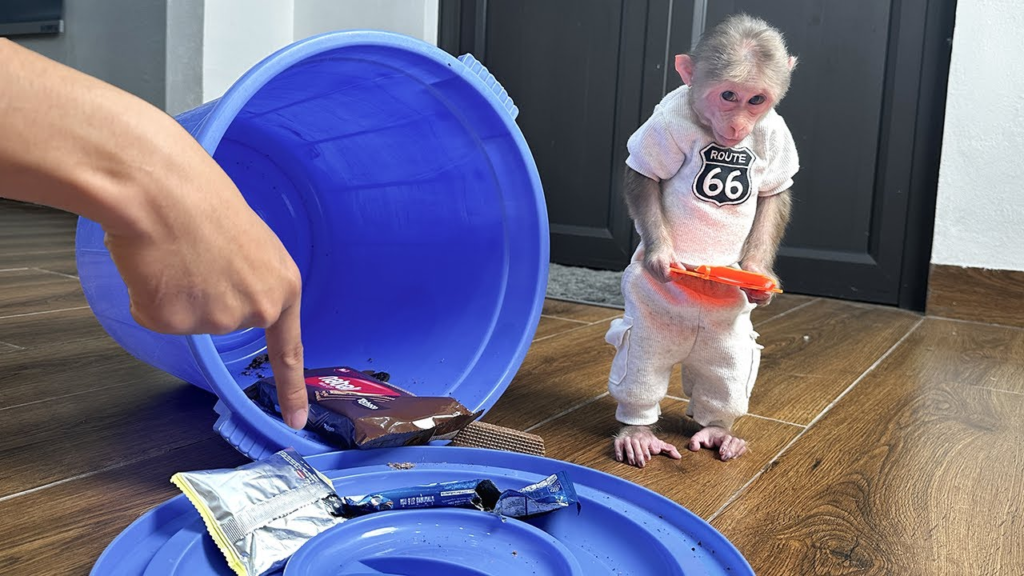
One sunny afternoon, Lala followed her dad into the kitchen, curious about what he was doing. On the table were small bowls of leftover rice, vegetables, and soup from lunch. Instead of throwing them away, Dad carefully sorted and stored each dish. Lala watched closely and finally asked, “Why do we keep such little food?”
Dad smiled warmly and invited her to sit beside him. He explained that every grain of rice and every slice of vegetable took time, effort, and resources to produce. Farmers worked under the hot sun, drivers transported food across long distances, and families spent money to bring meals to their tables. Wasting food, he said, meant wasting all that hard work too.
To help Lala understand, Dad suggested a small activity. Together, they planned dinner using the leftovers. Lala helped wash vegetables, stir the soup, and arrange the food neatly on plates. As they worked, Dad told stories about people in other places who did not always have enough to eat. Hearing this made Lala pause and think deeply. She realized how lucky she was and felt grateful for every meal.
When dinner was ready, the family sat together and enjoyed the simple but delicious dishes. Lala was surprised at how tasty everything was. She proudly told her mom how she helped reduce food waste, and everyone praised her effort. This encouragement made her feel happy and responsible.
From that day on, Lala became more careful with her food. She took only what she could finish, saved leftovers properly, and reminded others to do the same. Sometimes, she even suggested creative recipes to use extra ingredients, turning ordinary meals into exciting new dishes.
Through her dad’s gentle teaching, Lala learned an important life lesson. Stopping food waste was not just about saving money—it was about respecting nature, appreciating hard work, and caring for others. This simple habit slowly shaped her into a more thoughtful and compassionate person, inspiring those around her to make small changes that could create a better world.